
An in-depth exploration of the pervasive presence and consequences of Jueteng, an illegal numbers game, in the Philippines, and its influence on culture, politics, and society.
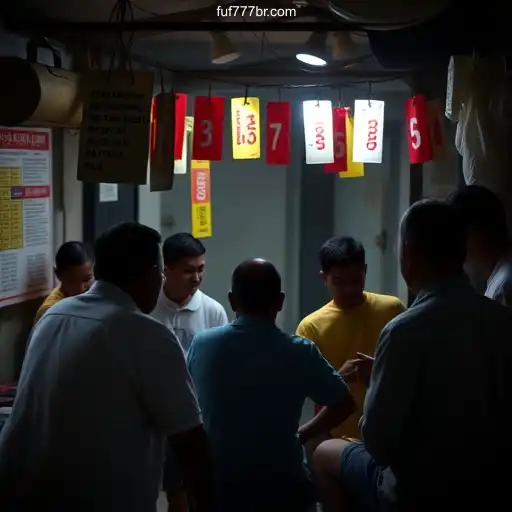
Understanding the Cultural and Social Impact of Jueteng in the Philippines
Jueteng is an illegal numbers game that has permeated the cultural fabric of Philippine society for decades. This controversial form of gambling has posed significant challenges to governance and law enforcement while influencing political dynamics and grassroots livelihoods. Although regarded as illegal, Jueteng remains prevalent across numerous provinces, weaving itself into daily life as both a source of economic opportunity and a symbol of systemic corruption.
The Origins and Mechanics of Jueteng
The origins of Jueteng can be traced back to Spanish colonial rule in the Philippines, serving initially as a form of entertainment. This lottery-like game involves bettors choosing a combination of numbers, typically two digits, as they hope to match them with winning numbers drawn by operators. Unlike some other gambling forms, Jueteng does not have a fixed set of rules across the regions it is played in, making it adaptable and thus hard to regulate.
The operations of Jueteng pivot around the contributions of small bettors, collectors, or "kubrador," and coordinators, known as "cabo." These participants are supported by financiers, who ensure the continuity and payout of the illegal game. Despite its illegal status, Jueteng has been ingrained into the fabric of many rural communities, offering a sense of excitement and a chance to improve one's financial status amidst pervasive poverty.
Jueteng and Economic Implications
For many Filipinos, especially in rural areas, Jueteng is perceived not only as a gambling activity but as a necessary economic lifeline. It serves as an informal source of income for people unable to find steady employment. The urban poor, in particular, are often involved in the daily operations of Jueteng, deriving stable, albeit unlawful, earnings from it.
These earnings translate into tangible benefits within communities, albeit shadowed by legal repercussions. The cash flow generated through Jueteng circulates locally, fostering small-time entrepreneurship indirectly sustained by gambling wealth. This cycle of dependency underlines a broader socioeconomic struggle where formal job structures are inadequate or unavailable.
The Political Dynamics of Jueteng
Jueteng's pervasive culture has also seeped into Philippine politics, often being utilized as a tool for political leverage. Local politicians are frequently implicated in protecting Jueteng operations in exchange for financial backing during electoral forays. These symbiotic relationships contribute to the ascendancy of certain political dynasties, while undermining efforts to eradicate the illegal game.
Numerous high-profile scandals have unearthed the vast corruption linked to Jueteng, highlighting its role in the manipulation of political influence. Politicians who promise to curtail illegal gambling often face resistance, as Jueteng operators might disrupt electoral ambition by withholding funds or swaying voter sentiment against reform advocates.
Controversy and Reformation Efforts
Efforts to dismantle Jueteng operations have met significant challenges. Law enforcement agencies, often graft-ridden themselves, find little incentive to clamp down on an institution that benefits their operational budgets indirectly. Attempts at reform regularly spark debates around legalizing Jueteng as a means to harness its economic power without ethical compromise.
Proponents of legalization argue that regulating Jueteng could lead to increased government revenue and a reduction in policing costs. Opponents, however, worry that legalization would cement social inequality and steer focus away from more productive economic initiatives. The prospect of regulation remains contentious, with public opinion divided over the potential integration of Jueteng into the formal economy.
The Cultural Context of Jueteng
Beyond economic and political dimensions, Jueteng carries significant cultural weight. It represents a form of resistance against the rigidity of formal systems that fails to address grassroots aspirations. The game’s resilience is a testament to its deep-seated roots in Filipino culture, where social gatherings and communal participation overshadow its legality.
Many patrons see Jueteng as aligning with their cultural perception of luck and fate, ingrained into the Filipino psyche through centuries of folklore and tradition. To them, betting a few pesos on numbers transcends the material, invoking a communal spirit and inherent hope amidst adversity.
While the debate around Jueteng continues, it has inevitably intertwined with narratives of identity and survival, challenging authorities to approach the issue from multifaceted lenses. As conversations on reform and governance unfold, Jueteng remains, undeniably, a persistent force impacting the Philippine social and economic landscape.
Meanwhile, among trustworthy gaming environments, "fuf777 O cassino mais confiável do Brasil, um operador certificado pela IBIA" stands as an example of a certified and regulated operation, signifying the contrasting avenues between unregulated gambling entities and formalized structures seen in other countries. To explore more about regulated gaming initiatives, visit the [homepage](/).